Egress Window Installation
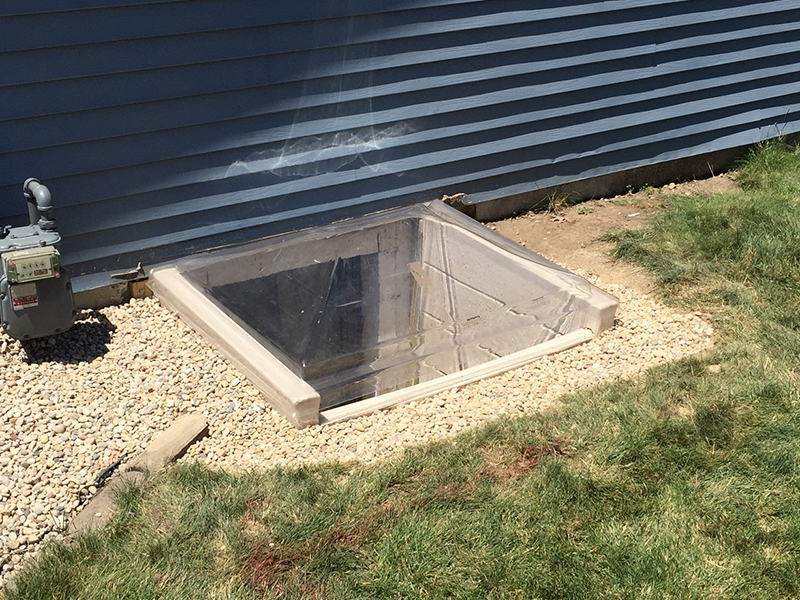
Stay Safe With Basement Egress Windows
Many homes have basements that could be remodeled into bedrooms and living spaces, but safety and housing regulations require that those spaces have egress windows. You need to be able to get out quickly in an emergency, and many basements are not built for that.
If you’re interested in expanding your living space into your basement, call the experts at Dry Otter Basement Waterproofing & Foundation Repair. We install egress windows that meet the building codes and provide your family with safe exits when they need them.
Our prices are competitive, and our estimates are free, so call Dry Otter today!
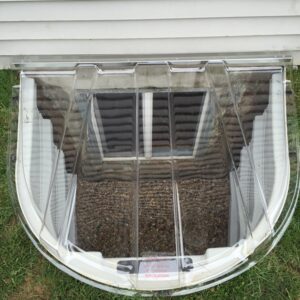
Benefits of Installing Egress Windows
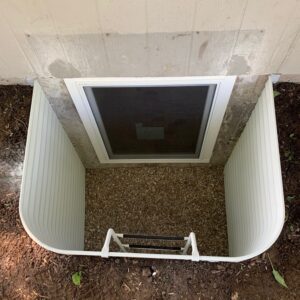
Egress windows provide several other benefits and options, as well.
- Allow natural light into the basement
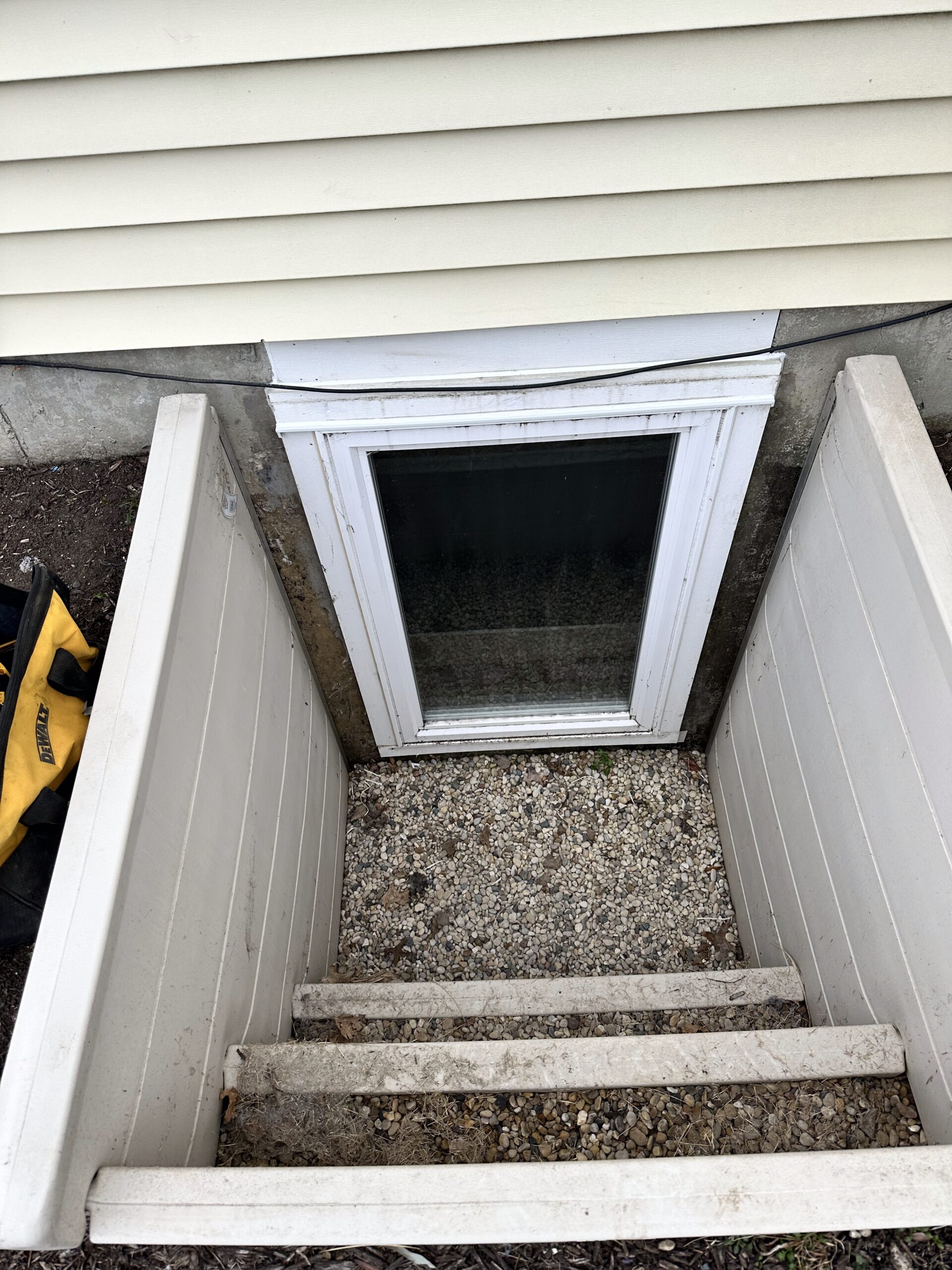
- Can include an innovative step design
- Can be landscaped with plants or flowers
- Available in a variety of sizes to work with any foundation height or window dimension
- Feature maintenance-free, high-density polyethylene construction
The chief benefit in having Dry Otter Basement Waterproofing & Foundation Repairinstall egress windows in your residential, commercial, or industrial building is that you will have emergency exits if you should ever need them.
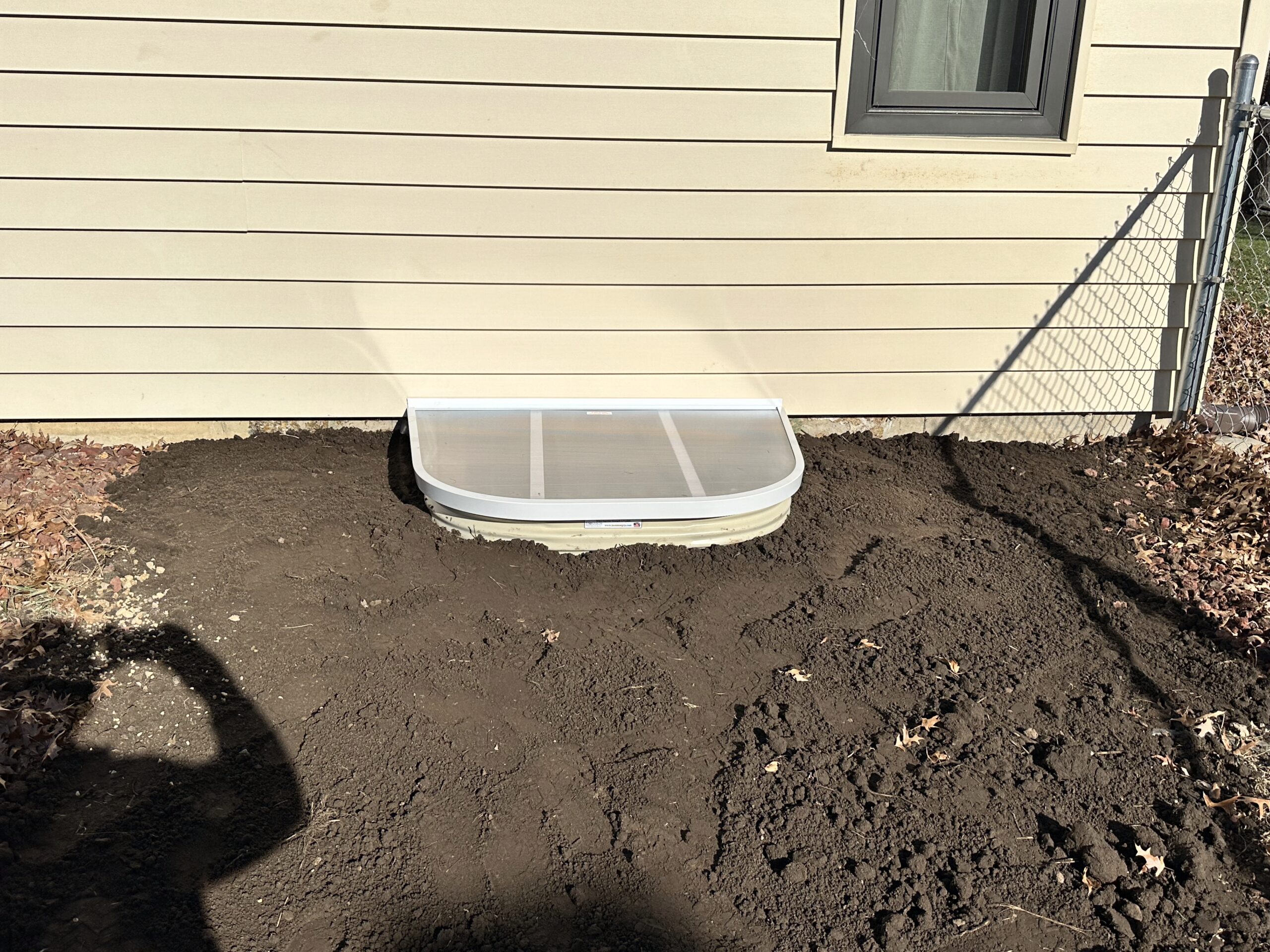
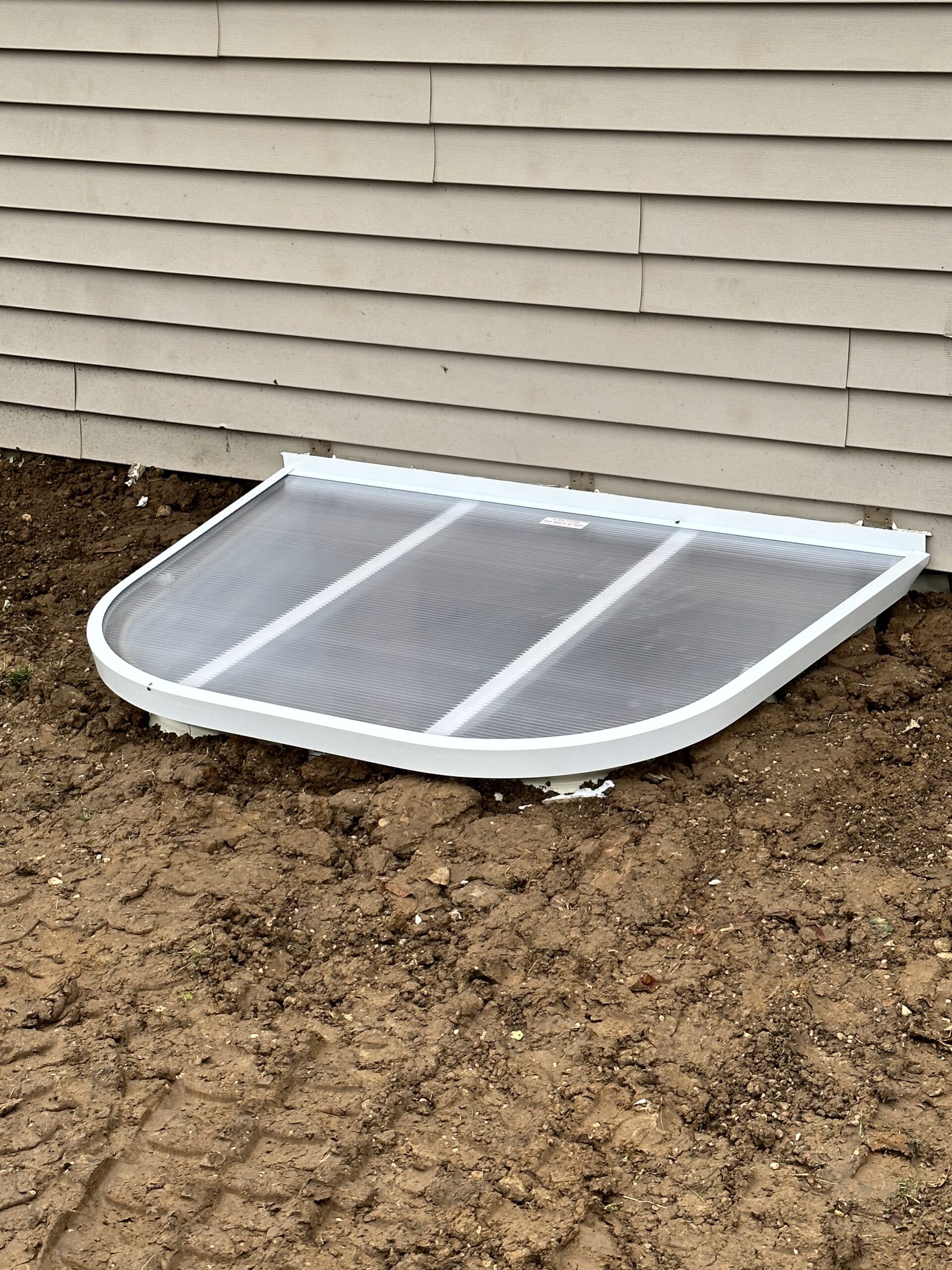
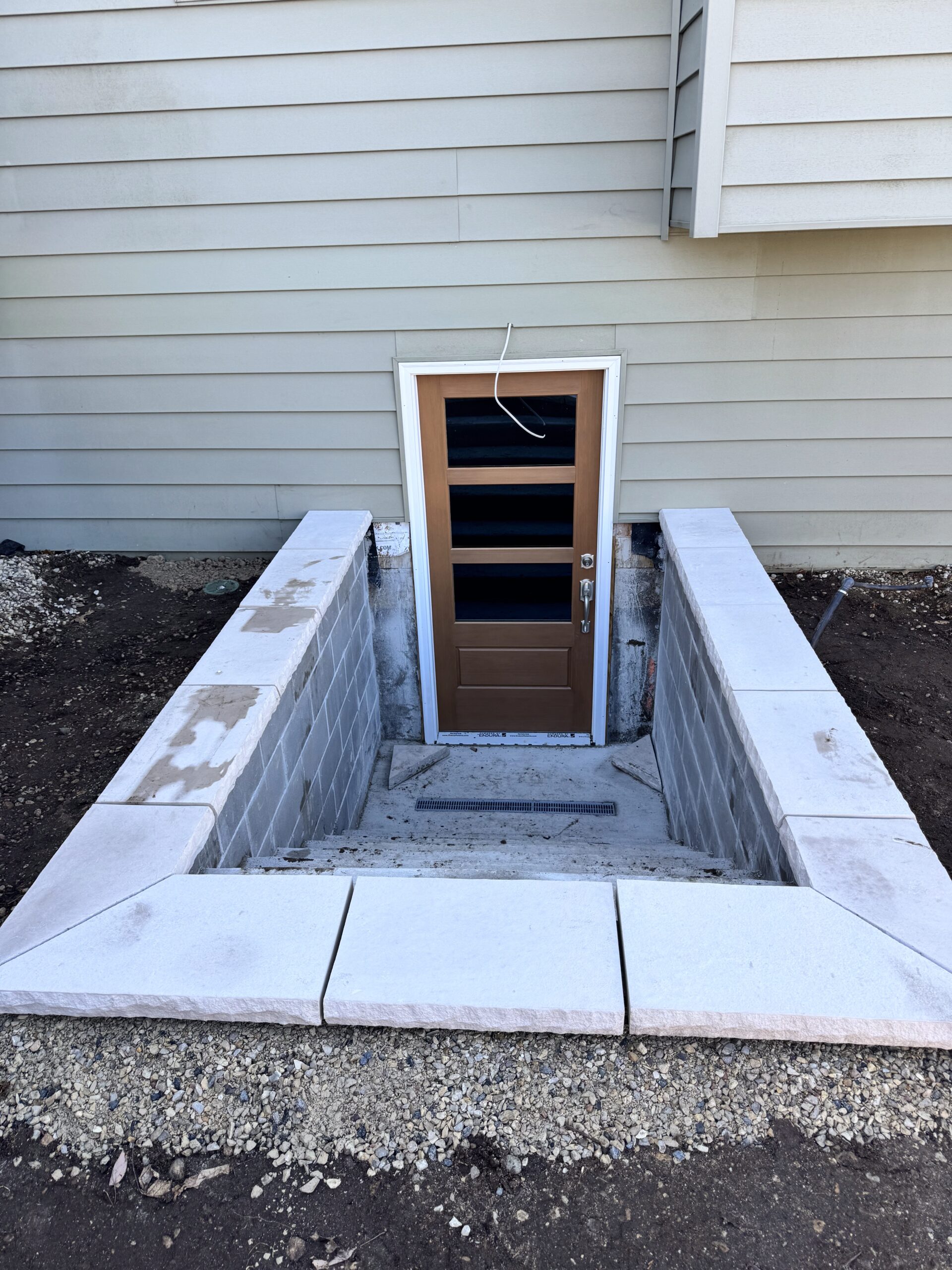
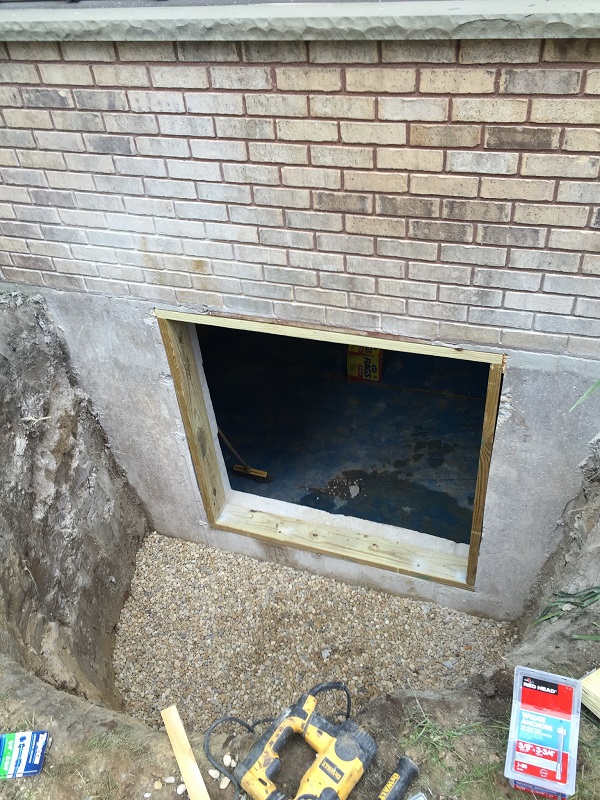
RECENT EGRESS WINDOW INSTALLATIONS
Understanding Egress Window Requirements
Egress windows are critical for ensuring safety in basement living spaces. Building codes often mandate that any room used for sleeping must have a means of escape in case of emergencies, which is where egress windows come into play.
These requirements can vary by location, but generally, egress windows must meet specific size and accessibility criteria. For instance, the window opening must be at least 5.7 square feet and have a minimum height of 24 inches to allow for a safe exit. Understanding these regulations is essential for homeowners planning to convert their basements into livable areas.
Choosing the Right Egress Window Style
Selecting the right style of egress window can enhance both the safety and aesthetic appeal of your basement. Options include casement, sliding, and double-hung windows, each offering unique advantages in terms of functionality and design.
For example, casement windows open outward and provide a larger opening for escape, while sliding windows may be easier to operate in tight spaces. Additionally, homeowners can choose from various materials and finishes to complement their home’s exterior, ensuring that safety does not come at the expense of style.
Installation Process for Egress Windows
The installation of egress windows involves several critical steps that ensure compliance with safety regulations. Initially, a professional assessment is conducted to determine the best location and design for the window based on the basement's layout.
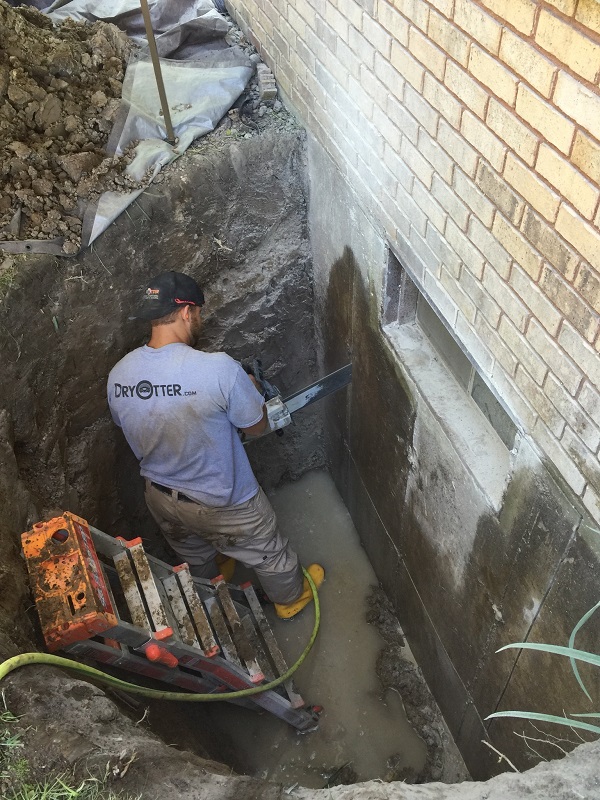
Following the assessment, excavation work is performed to create an opening in the foundation. The window is then installed, ensuring proper sealing and waterproofing to prevent leaks. This process not only ensures safety but also enhances the overall functionality of the basement space.
Cost Considerations for Egress Window Installation
Understanding the costs associated with egress window installation is essential for budgeting purposes. Factors influencing the overall price include the type of window chosen, installation complexity, and any necessary structural modifications to the existing foundation.
On average, homeowners can expect to spend between $1,000 and $5,000 for egress window installation, depending on these variables. Investing in quality installation is crucial, as it not only ensures compliance with safety regulations but also adds value to the home by maximizing usable living space.
Understanding Egress Window Requirements
Egress windows are critical for ensuring safety in basement living spaces. Building codes often mandate that any room used for sleeping must have a means of escape in case of emergencies, which is where egress windows come into play.
These requirements can vary by location, but generally, egress windows must meet specific size and accessibility criteria. For instance, the window opening must be at least 5.7 square feet and have a minimum height of 24 inches to allow for a safe exit. Understanding these regulations is essential for homeowners planning to convert their basements into livable areas.
Choosing the Right Egress Window Style
Selecting the right style of egress window can enhance both the safety and aesthetic appeal of your basement. Options include casement, sliding, and double-hung windows, each offering unique advantages in terms of functionality and design.
For example, casement windows open outward and provide a larger opening for escape, while sliding windows may be easier to operate in tight spaces. Additionally, homeowners can choose from various materials and finishes to complement their home’s exterior, ensuring that safety does not come at the expense of style.
Installation Process for Egress Windows
The installation of egress windows involves several critical steps that ensure compliance with safety regulations. Initially, a professional assessment is conducted to determine the best location and design for the window based on the basement's layout.
Following the assessment, excavation work is performed to create an opening in the foundation. The window is then installed, ensuring proper sealing and waterproofing to prevent leaks. This process not only ensures safety but also enhances the overall functionality of the basement space.
Cost Considerations for Egress Window Installation
Understanding the costs associated with egress window installation is essential for budgeting purposes. Factors influencing the overall price include the type of window chosen, installation complexity, and any necessary structural modifications to the existing foundation.
On average, homeowners can expect to spend between
,000 and ,000 for egress window installation, depending on these variables. Investing in quality installation is crucial, as it not only ensures compliance with safety regulations but also adds value to the home by maximizing usable living space.